 Previous
 Next
Next

กลุ่มบริษัท ไอ.ที.ซี. เป็นกลุ่มบริษัทฯ ที่ดำเนินกิจการ ที่มีประสบการณ์ด้านอุตสาหกรรมทำความเย็น แช่แข็ง และถนอมอาหาร ตลอดระยะเวลาที่ดำเนินธุรกิจตั้งแต่ปี พ.ศ 2525 เป็นต้นมา ได้เติบโตขึ้นอย่างมั่นคง และก้าวหน้าเป็นลำดับ
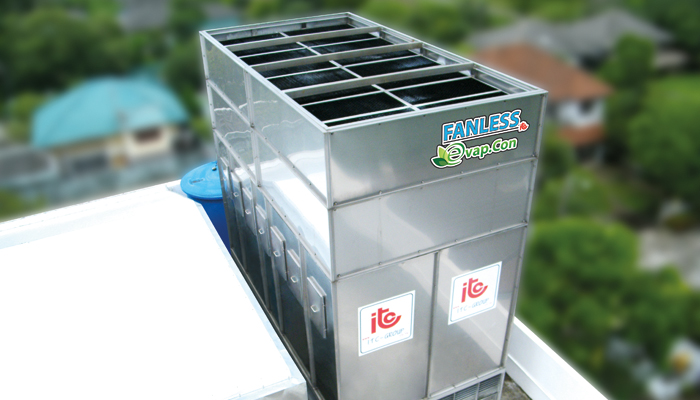
The latest innovation by ITC, Fanless Evaporative Condenser
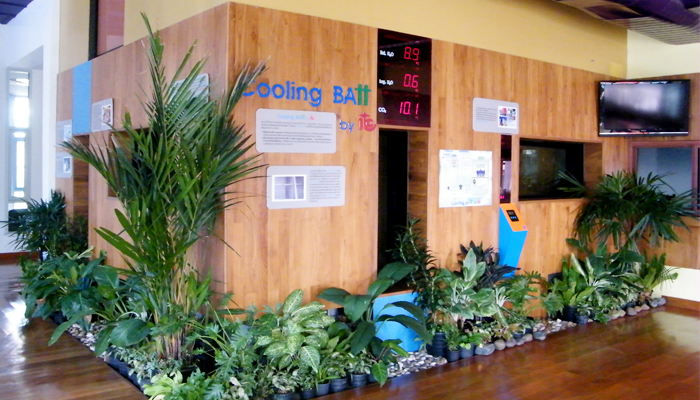
Newest innovation, CO₂ thermal ice storage system, design to utilize Carbon Dioxide
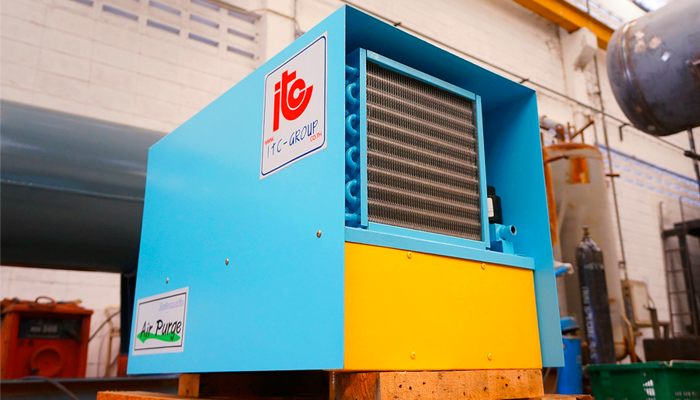
Air Purger model AP-F01 use for removing the noncondensible gas (air) from the R717
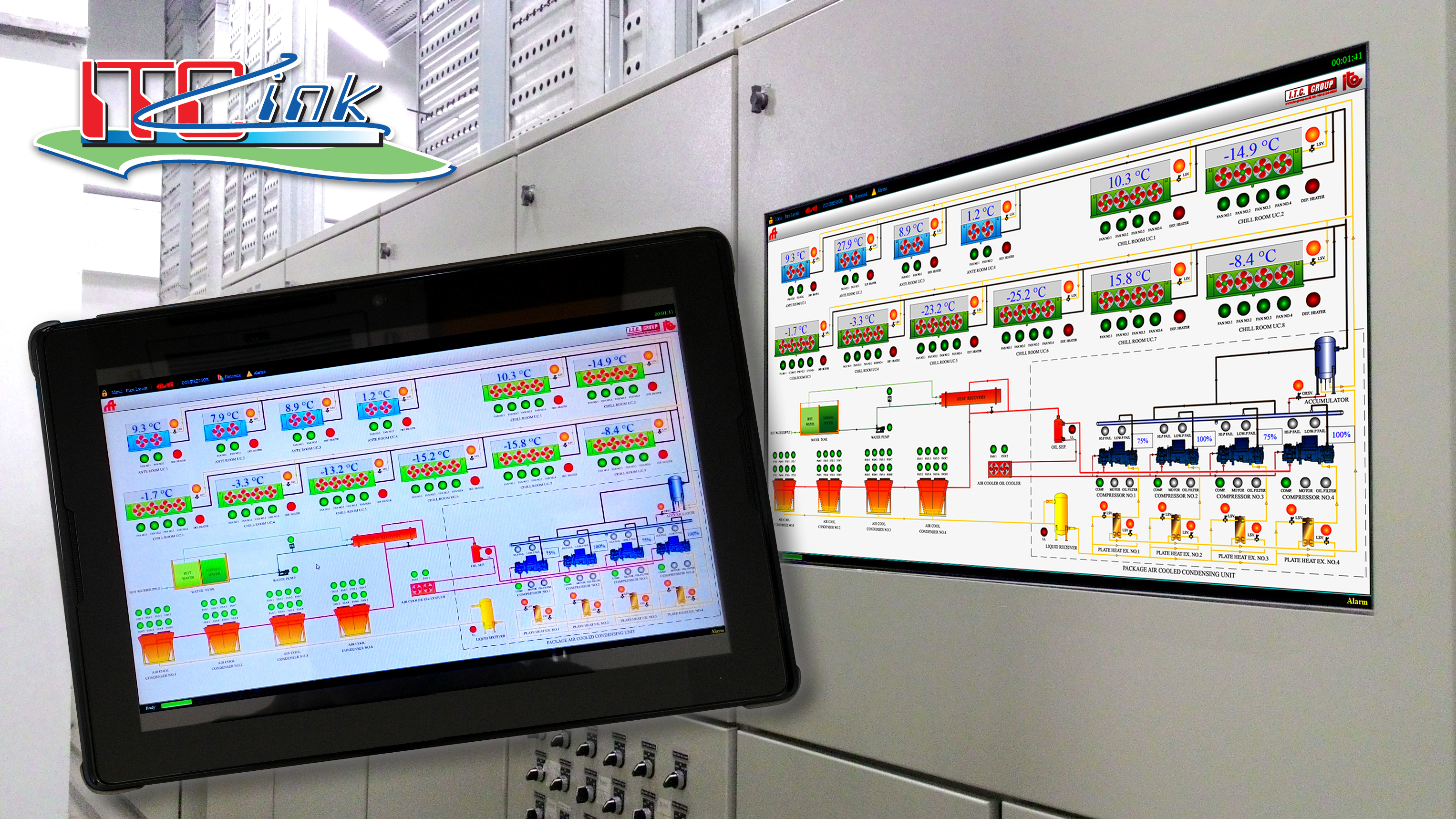
ควบคุมและตรวจสอบสภาวะการทำงานได้ผ่านระบบ ITCLink
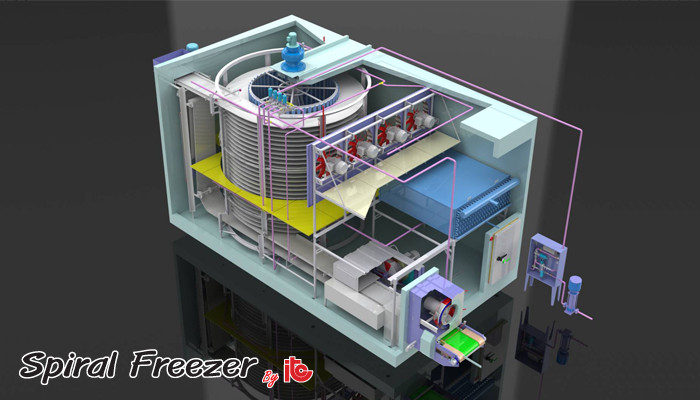
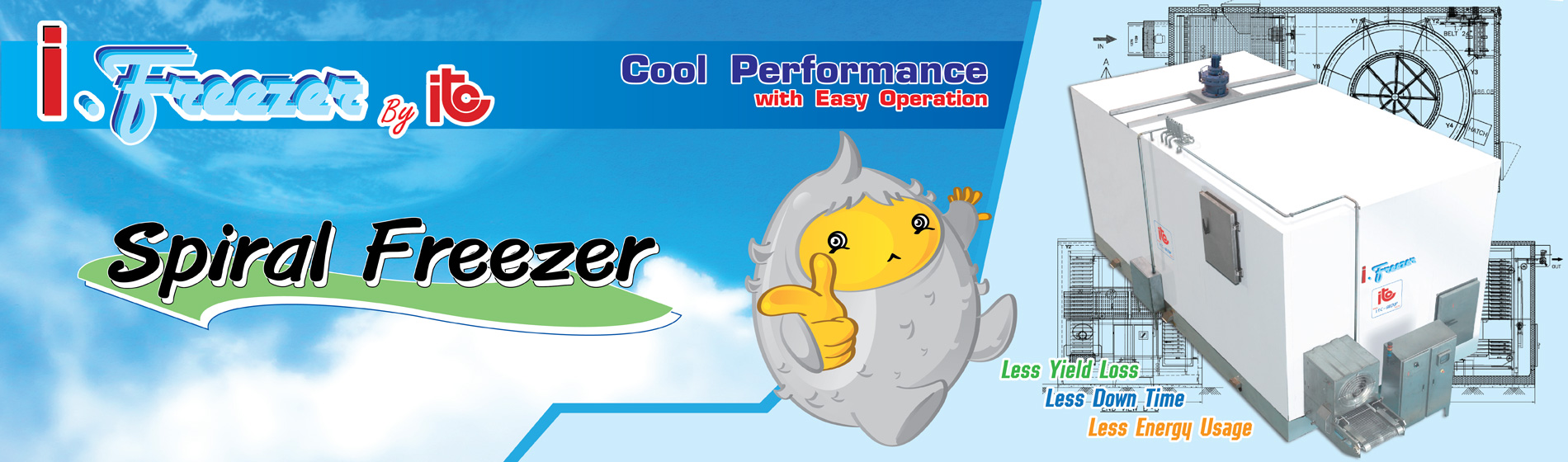
ได้รับการออกแบบที่แข็งแรงทนทานต่อการใช้งาน ให้ผลผลิตสูงจากการผนวกลมทั้งแนวตั้งและแนวนอน
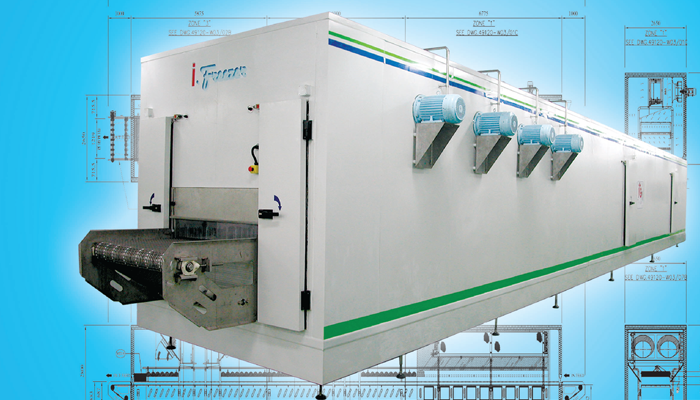
ถูกสุขลักษณะอนามัยและทำความสะอาดที่ง่ายดายเกิดจากผิวภายในที่ทำจากสแตนเลสทั้งหมด
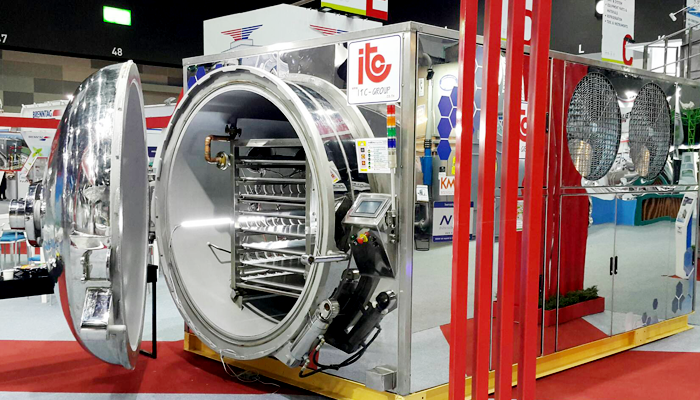
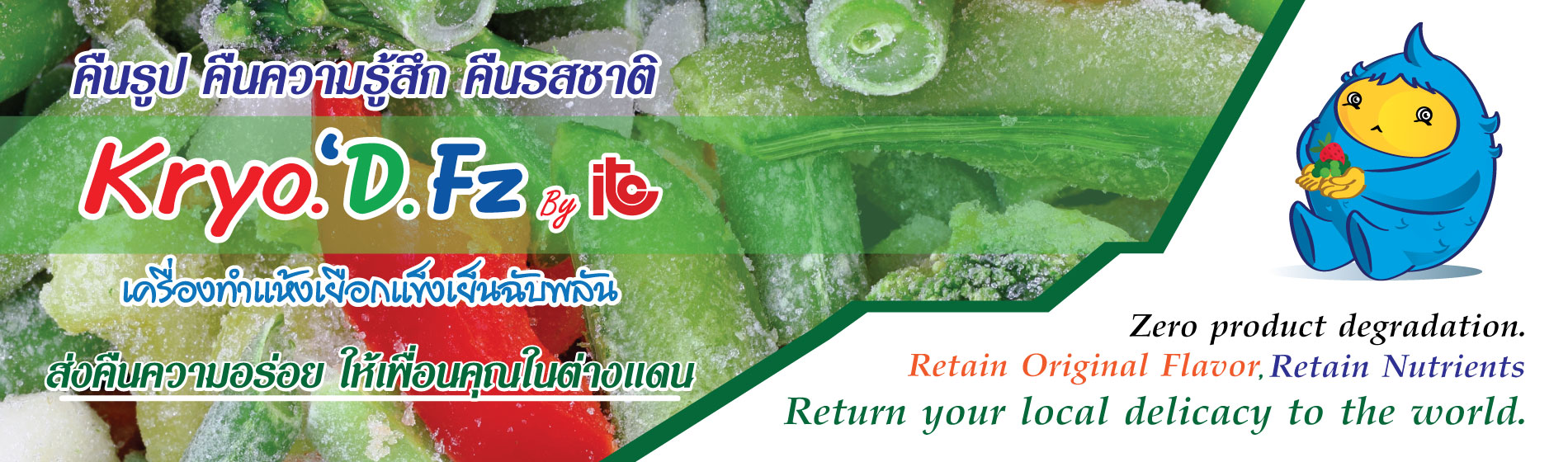
นวัตกรรมล่าสุดของไอทีซี ที่ออกแบบให้ขั้นตอนการแช่แข็งและการทำแห้งอยู่ในห้องเดียวกัน
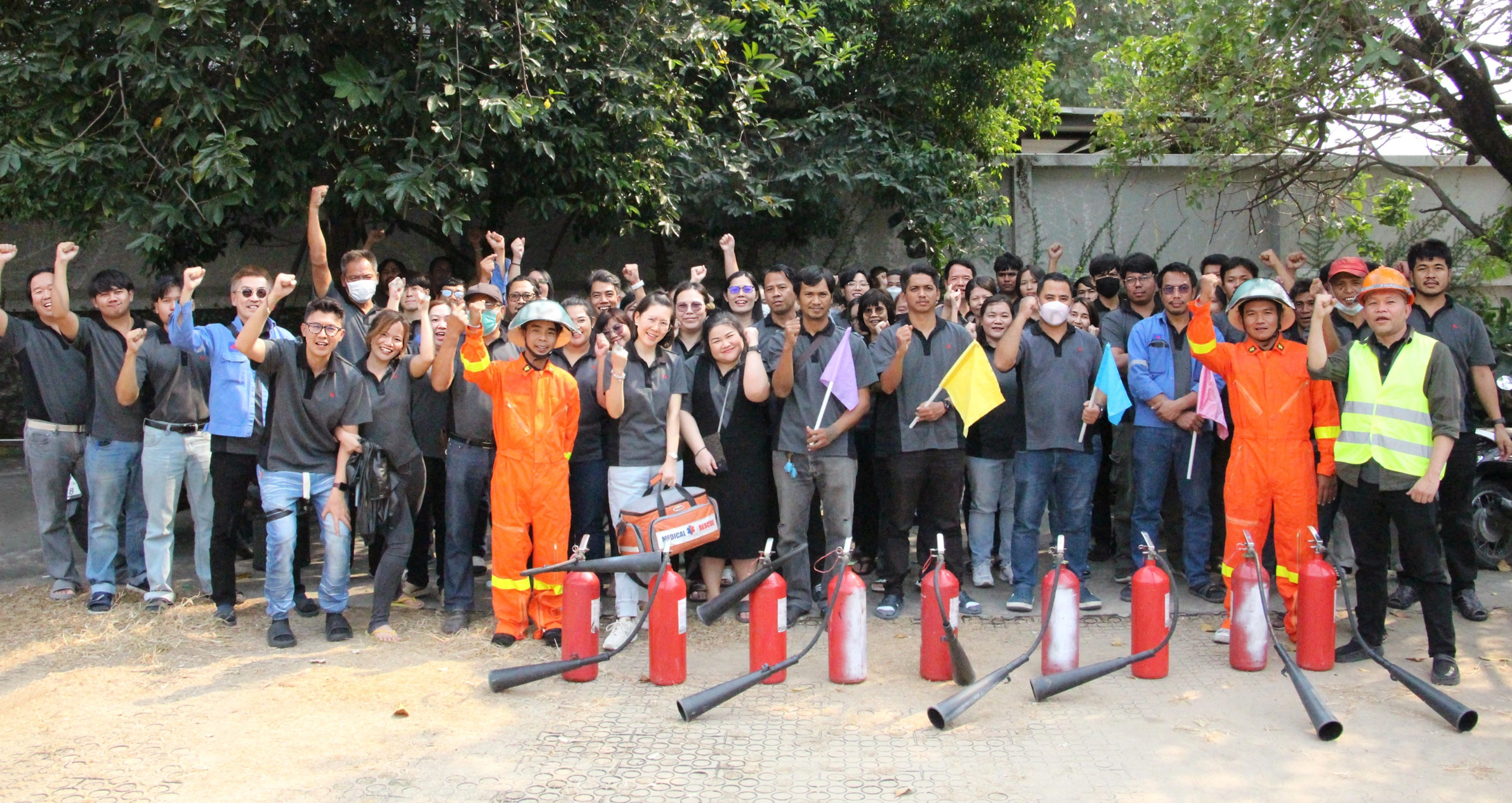
บรรยากาศการจัดฝึกอบรมการดับเพลิงขั้นต้นและซ้อมอพยพหนีไฟ ประจำปี 2567
หลักสูตร : การดับเพลิงขั้นต้นและฝึกซ้อมอพยพหนีไฟ ระยะเวลาอบรม 1 วัน (Inhouse-Training)
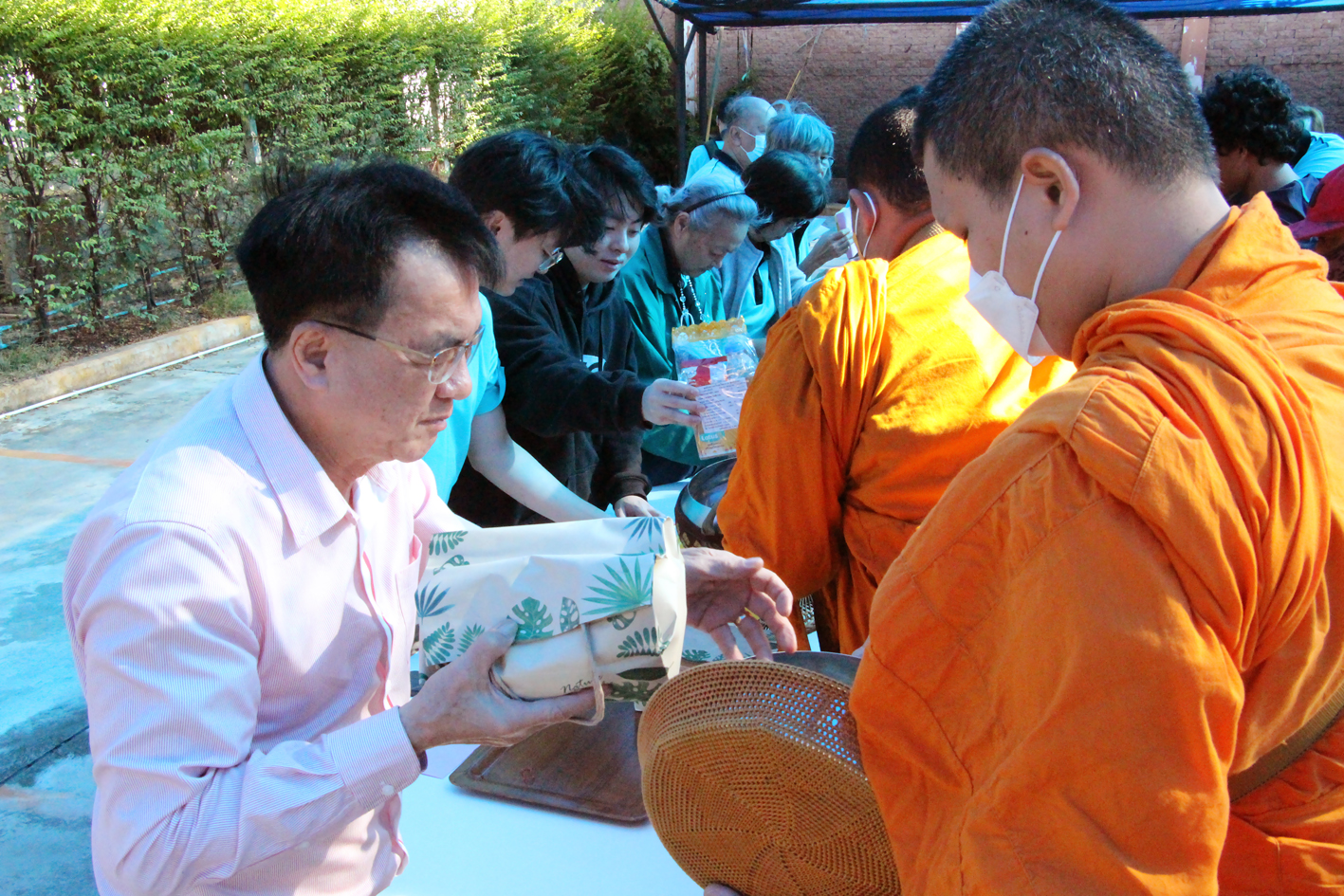
บรรยากาศกิจกรรมทำบุญส่งท้ายปีเก่า ต้อนรับปีใหม่ 2567 นำโดย ดร.อภิชิต ล้ำเลิศพงศ์พนา ร่วมทำบุญตักบาตรข้าวสาร-อาหารแห้ง วันศุกร์ที่ 22 ธันวาคม 2566 ณ สำนักงานใหญ่ ซอยรามคำแหง 118 แยก 61
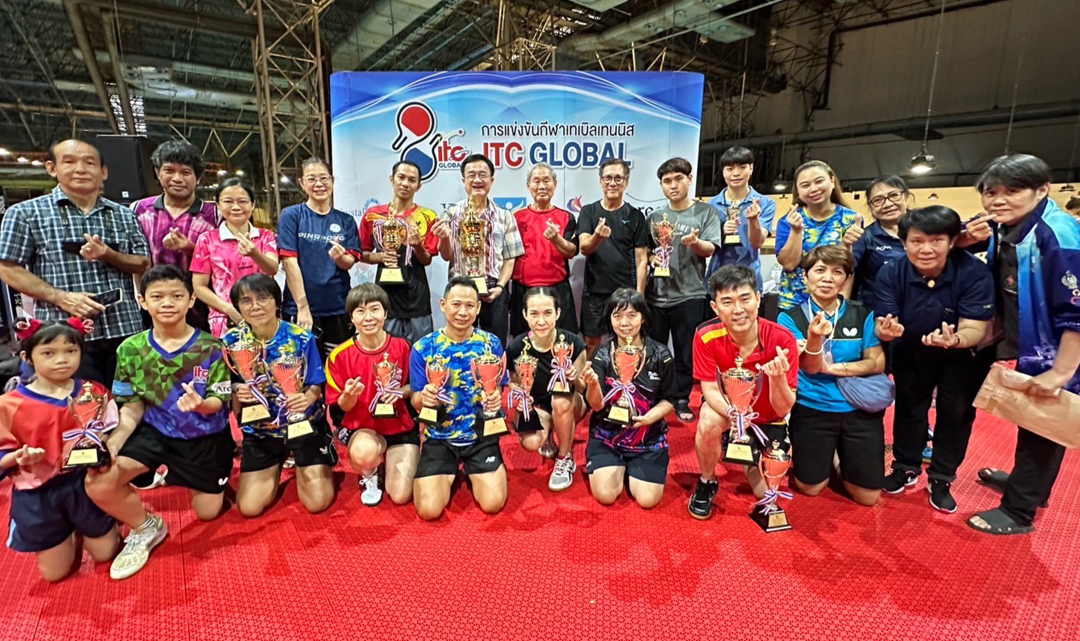
การแข่งขันเทเบิลเทนนิส
ITC GLOBAL CUP 2023 #9
ระหว่างวันที่ 13-15 ตุลาคม 2566 ณ เซ็นทรัล บางนา
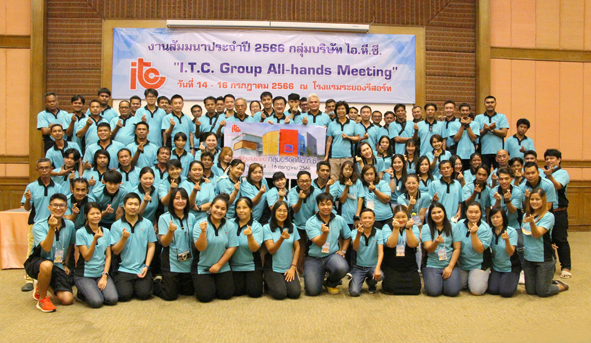
การสัมมนาประจำปี 2566 กลุ่มบริษัท ไอ.ที.ซี.
"I.T.C. GROUP All-hands Meeting"
ระหว่างวันที่ 14 - 16 กรกฎาคม 2566 ณ โรงแรมระยองรีสอร์ท จ.ระยอง
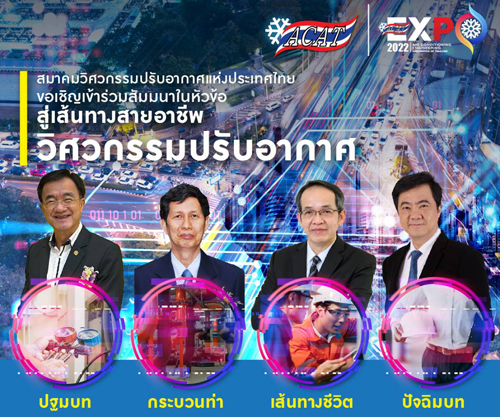
บรรยากาศงานสัมมนาสู่เส้นทางสายวิชาชีพวิศวกรรมปรับอากาศ ที่จัดขึ้นในวันประชุมใหญ่ของสมาคมฯ เมื่อวันที่ 15 พฤศจิกายน 2565 ที่ผ่านมา

ล้างมือบ่อยๆด้วยสบู่และน้ำอุ่นอย่างน้อย 20 วินาที ทั้งก่อนและหลังรับประทานอาหาร และก่อนเข้าและออกจากที่ทำงาน
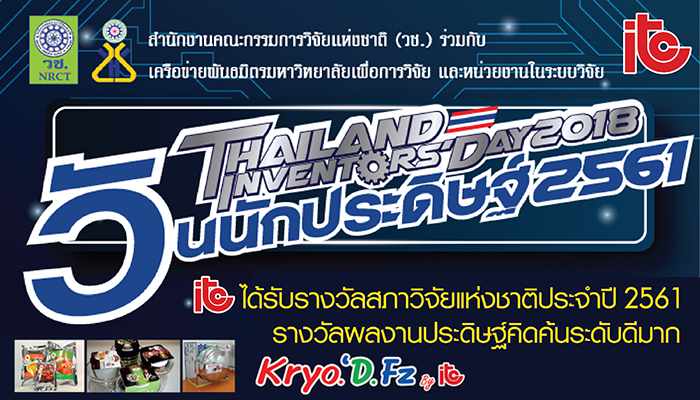
คว้ารางวัลสภาวิจัยแห่งชาติประจำปี 2561 รางวัลผลงานประดิษฐ์คิดค้นระดับดีมาก เรื่อง "Kryo.'D.Fz เครื่องแช่เยือกแข็งและทำแห้งสินค้าด้วยสุญญากาศในชุดเดียว"
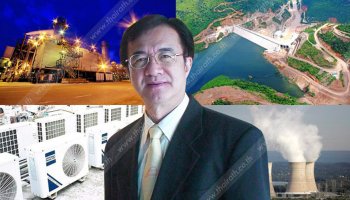
พลังงานแพง น้ำมัน แก๊ส ราคาพุ่งขึ้นทุกวี่วัน ถึงเวลาแล้วหรือยังที่จะศึกษาประโยชน์ ความได้เปรียบเรื่องการจัดการพลังงานและพลังงานทางเลือกอย่างจริงจัง
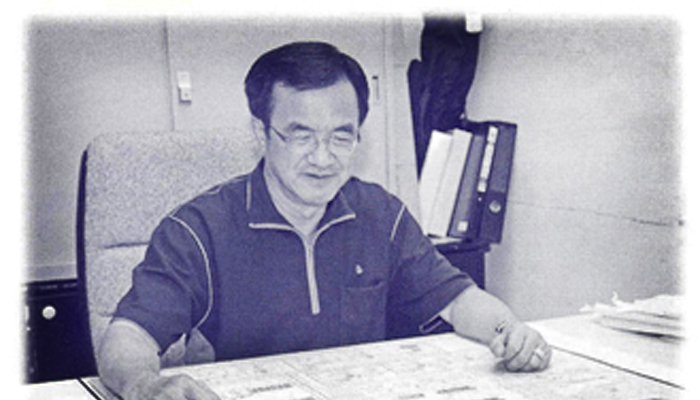
วิศวกรปรับอากาศดีเด่น ปี 2554 โดยสมาคมวิศวกรรมปรับอากาศแห่งประเทศไทย